
G.W. Horner & Dainty Dinah
The man behind Dainty Dinah – George William Horner was born 18 October 1877 to parents George John & Elizabeth (nee Holdgate) Horner and baptised in Aylsham Parish Church, Norfolk on 19 September 1878. In 1901 he is living in Railway Road, Kings Lynn with his parents and sister, with his occupation recorded as “Commercial Traveller”. By 1911 he is with his widowed father and two siblings in West Park Road, Gateshead and by this time his occupation recorded as “Managing Director of Confectionary Manufacturing and Fruit Preserving”, even by the standards of the day, quite a rise in fortunes. He married Hilda Watson on 4 June 1924 in St. Martin-in-the-Fields, London (the church opposite Trafalgar Square), with his address as “Penshaw House”. They had three children Anne, Gerald and Kenneth. He died on 5 April 1947 in the General Hospital, Newcastle upon Tyne. He is buried in Grasmere, where he had another house which was purchased in 1929. It was Kenneth who took over the running of the factory on his father’s death.

Five Acres Of Sweetness – The Horner Factory – The Horner factory was situated between the Front Street and the rail line (roughly where Morrison’s car park is now) It was originally the Murray Engine Works, when this closed in 1878 it was taken over by John William Luccock. In the early 1900s Jonathan Samuel took over the factory. In 1909 George Horner was the Managing Director of J Samuel & Co. Ltd, and in October 1910 the Board of Trade agreed that the trading name of J Samuel & Co. Ltd became George W Horner & Co. Ltd.
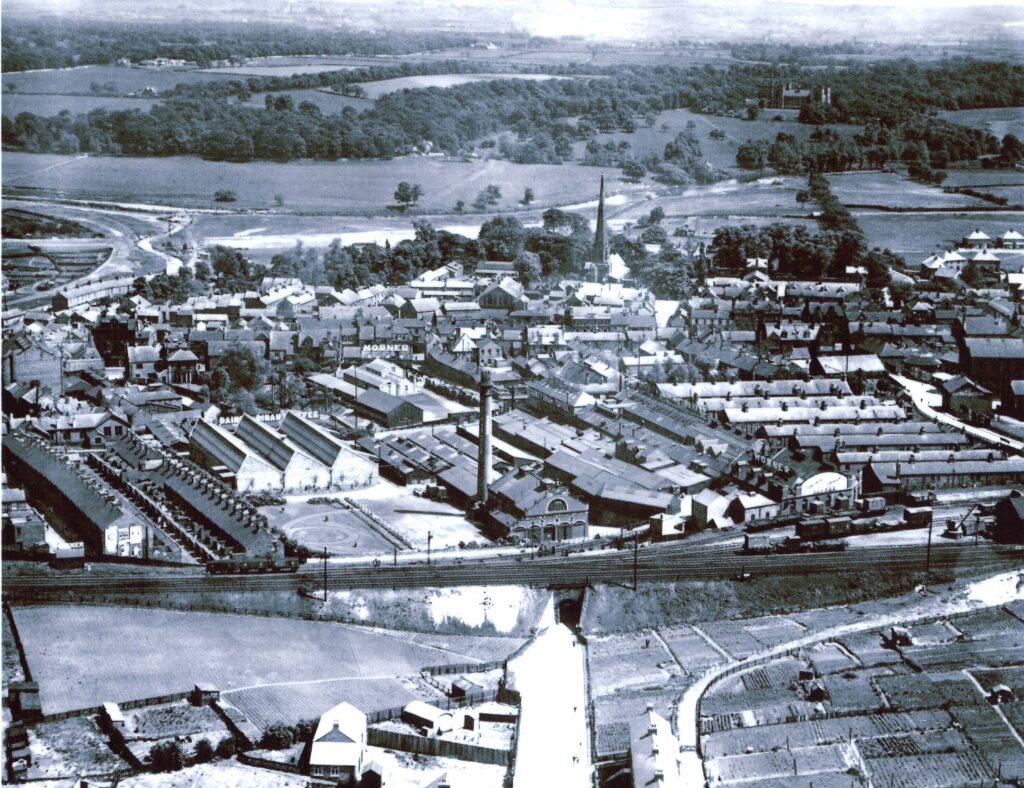
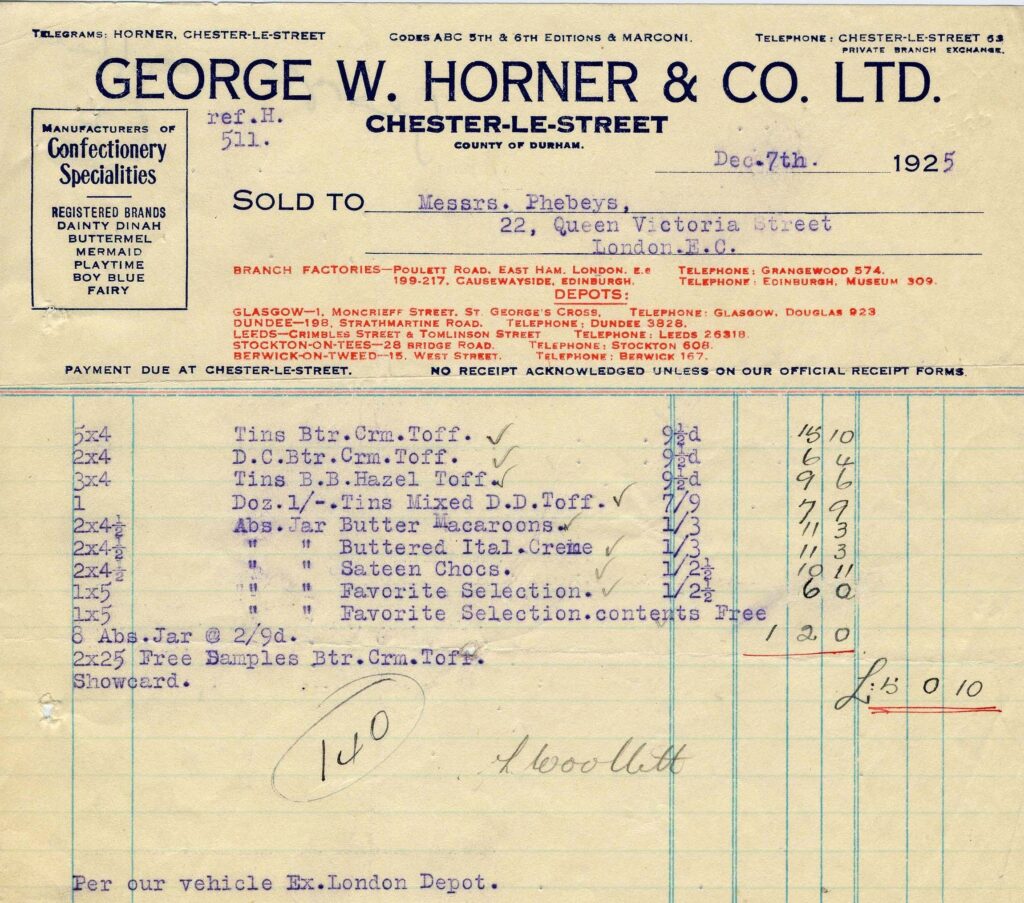
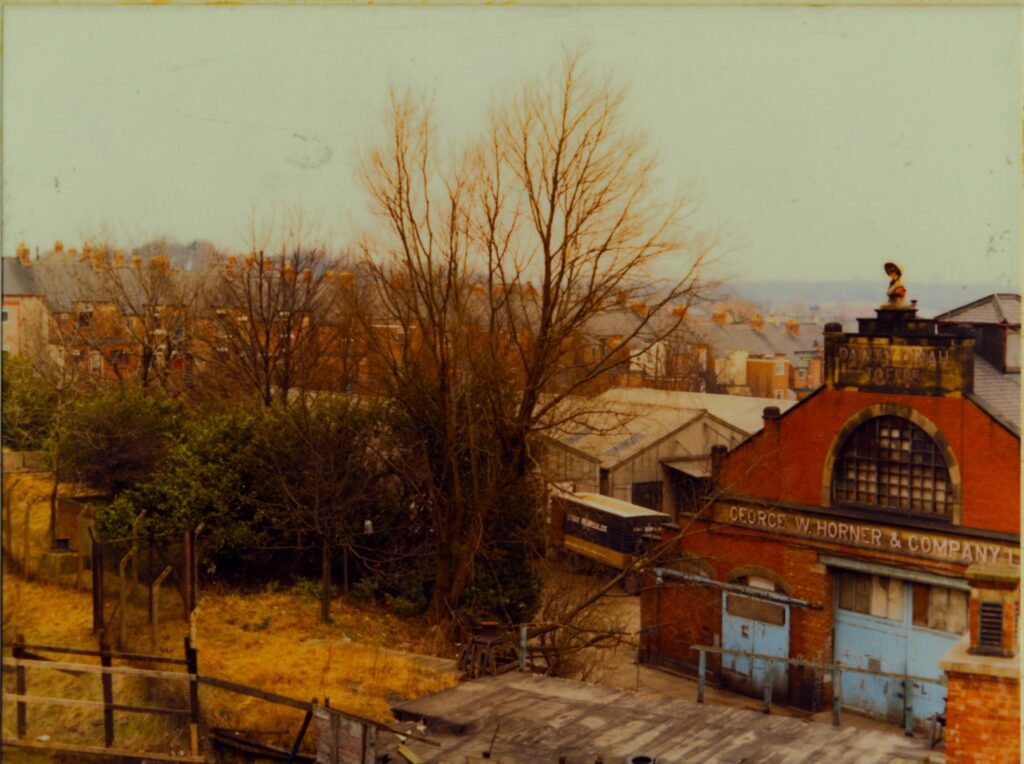
The business expanded rapidly in the coming years with some of the buildings brought from Elisabethville in Birtley. By 1925 a further two branch factories were operational with one in Poulett Road, East Ham, London and the other in Causewayside Edinburgh, with depots in Glasgow, Dundee, Leeds, Stockton and Berwick. It was during the 1920s that the 106ft chimney was erected and the marble bust of Dainty Dinah mounted on top of the boiler room. The chimney with it’s image of Dainty Dinah and the bust both clearly visible from trains passing on the main rail line.
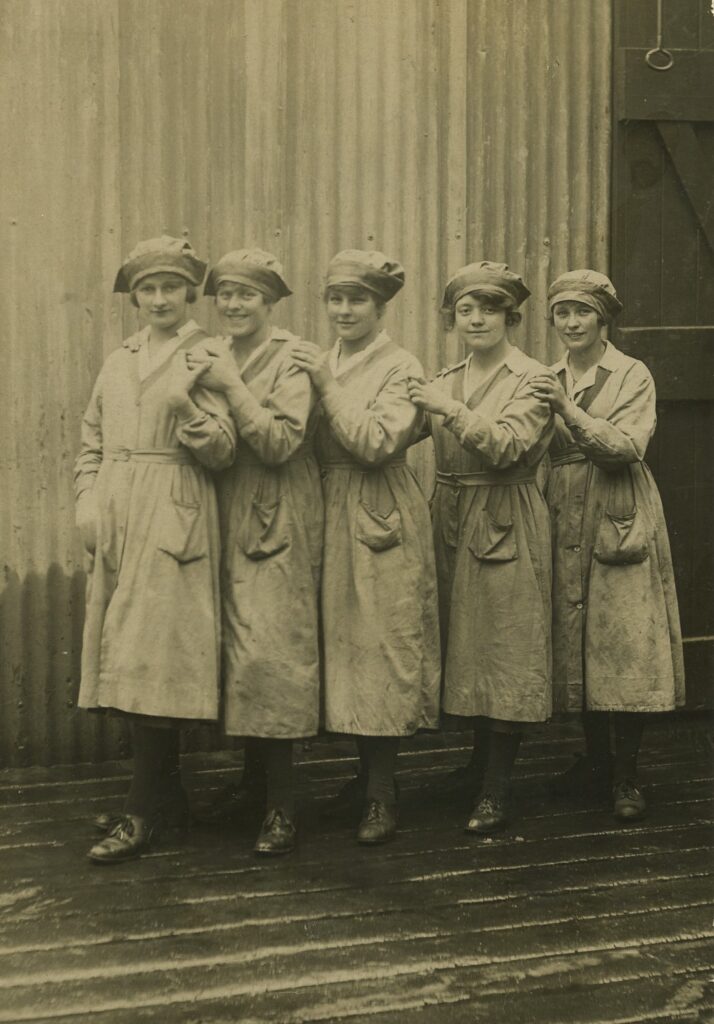
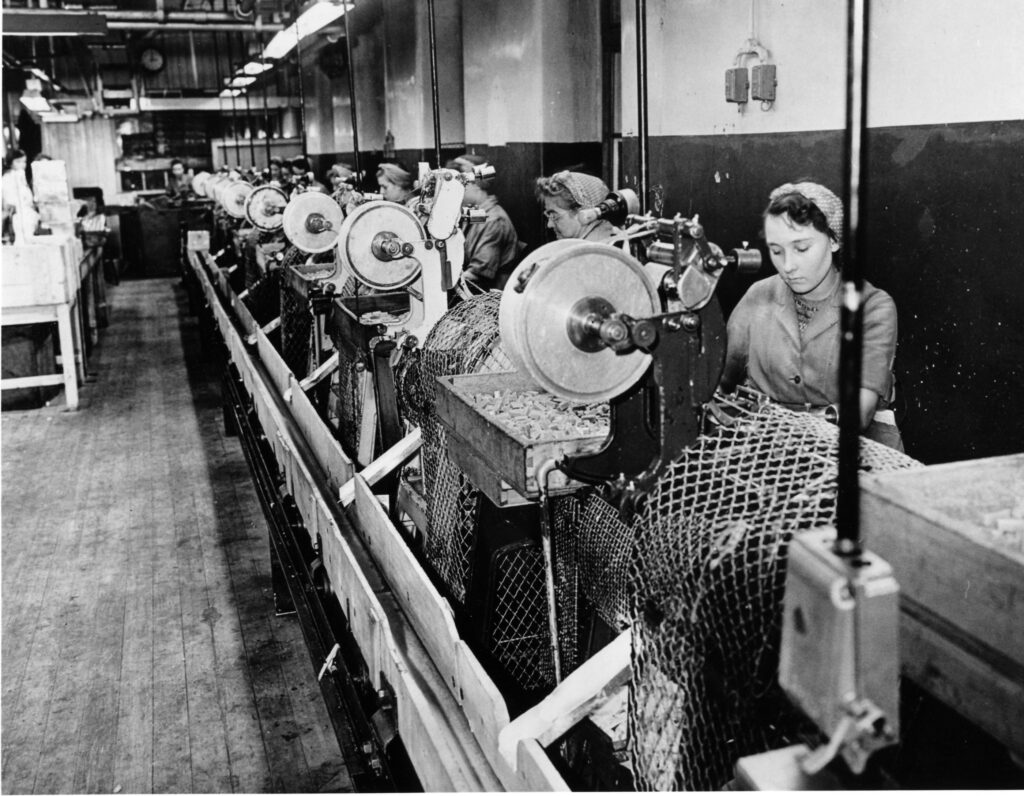
At it’s height over 1000 people worked at Horner’s, with this increasing considerably as Christmas neared. With the rail line so close the factory had its own sidings and easy access to the rail network for deliveries and the distribution of the world famous confectionary.

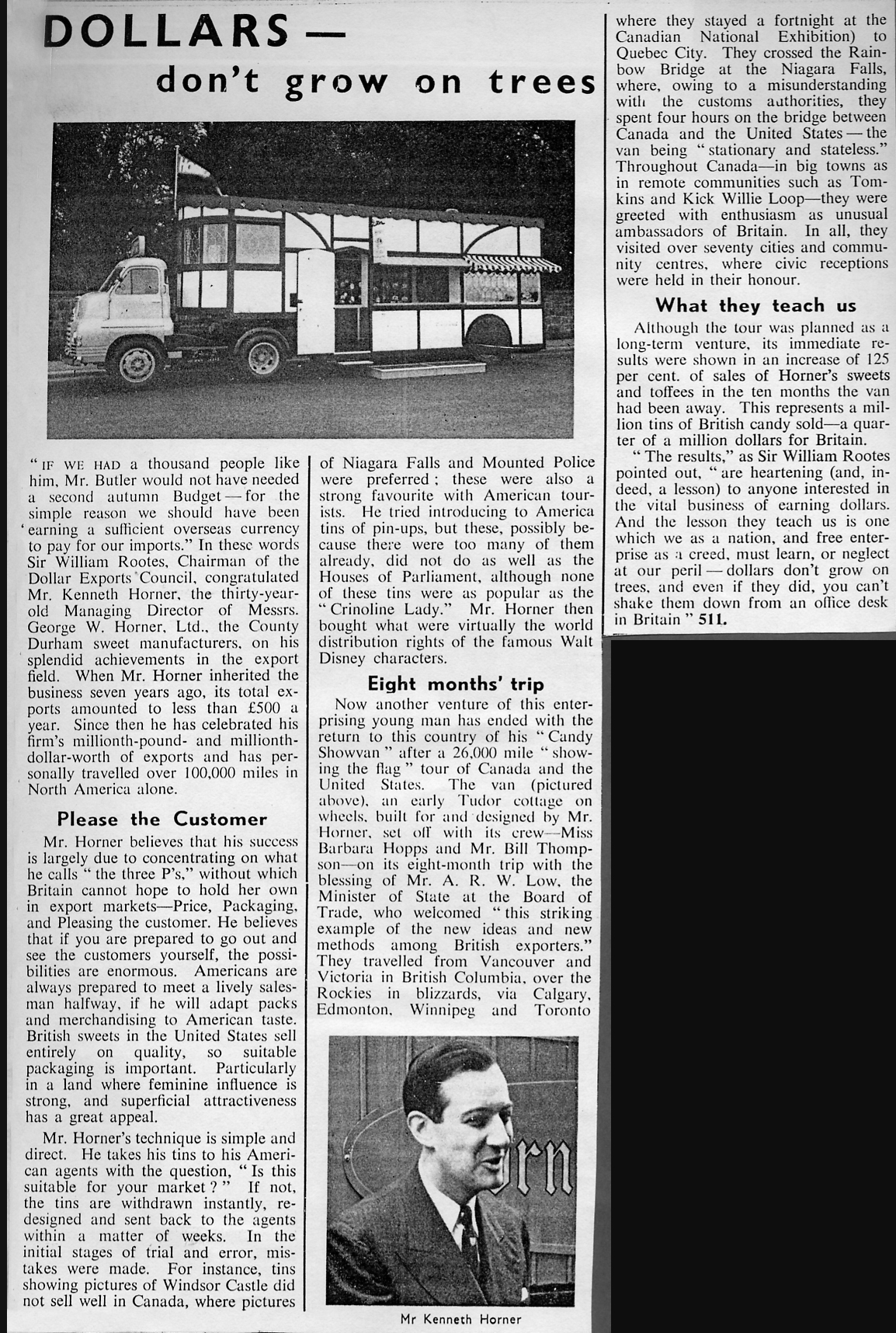
After World War Two with rationing still in place and domestic sales dropping and cheaper foreign imports impacting on business, Kenneth Horner concentrated his efforts on oversea sales, and in the mid 1950s took a specially built van on a sales tour of Canada and the U.S.A
However this was not enough to save the company and on on 5 September 1960 after a loss of £36,714 by the previous December a receiver was appointed, with the company finally wound up on 23 April 1971. The business was purchased by Barker & Dobson who transferred some of the machinery to their factory in Liverpool.
The buildings had a number of uses in the coming years including H Young (Motors) Ltd. and Star Remolds a tyre supply company. By the 1980s the buildings were in a poor state and demolition of the site started, with the famous chimney felled in February 1985, thankfully the Dainty Dinah bust on the boiler room was saved.
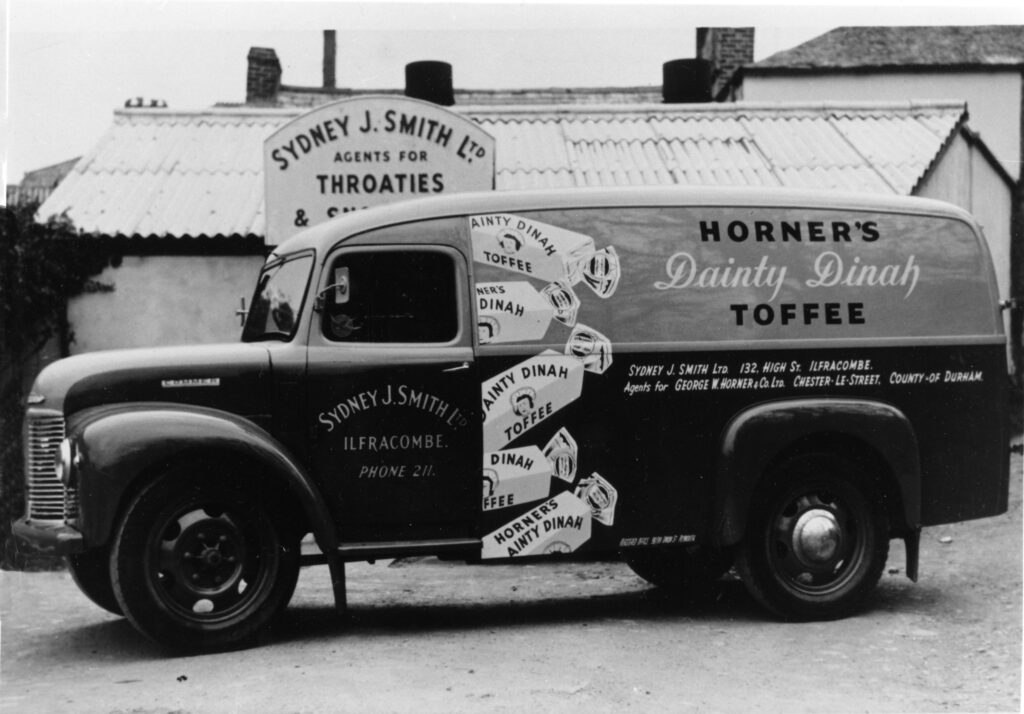
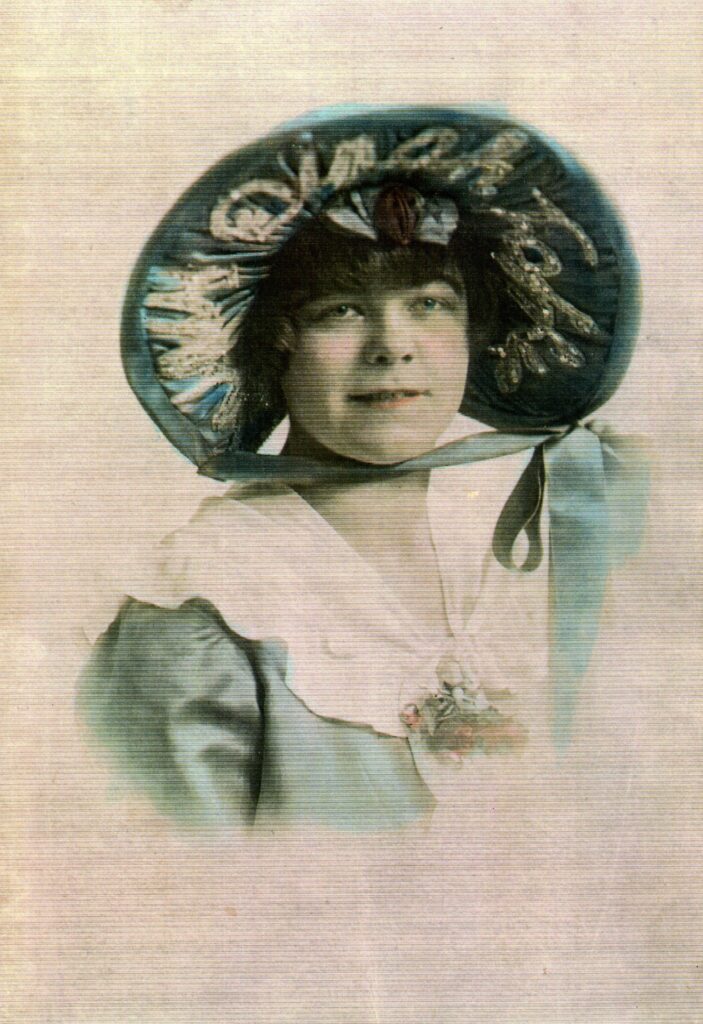
The Sweetest Thing On Earth – When George Horner took over ownership of the factory one of the products he inherited was Mermaid Toffee, but no doubt wanted a product of his own. In 1911 an advert for a “Traveller” appeared in the Yorkshire Post for someone to sell Horner’s products and one of those mentioned was Dainty Dinah. by the 11 February 1914 Dainty Dinah was being advertised in the local press, however the toffee had most likely been in production for some time prior to 1914. The trade name Dainty Dinah and the now familiar portrait of the Edwardian Lady registered with the Patent Office in June 1917.
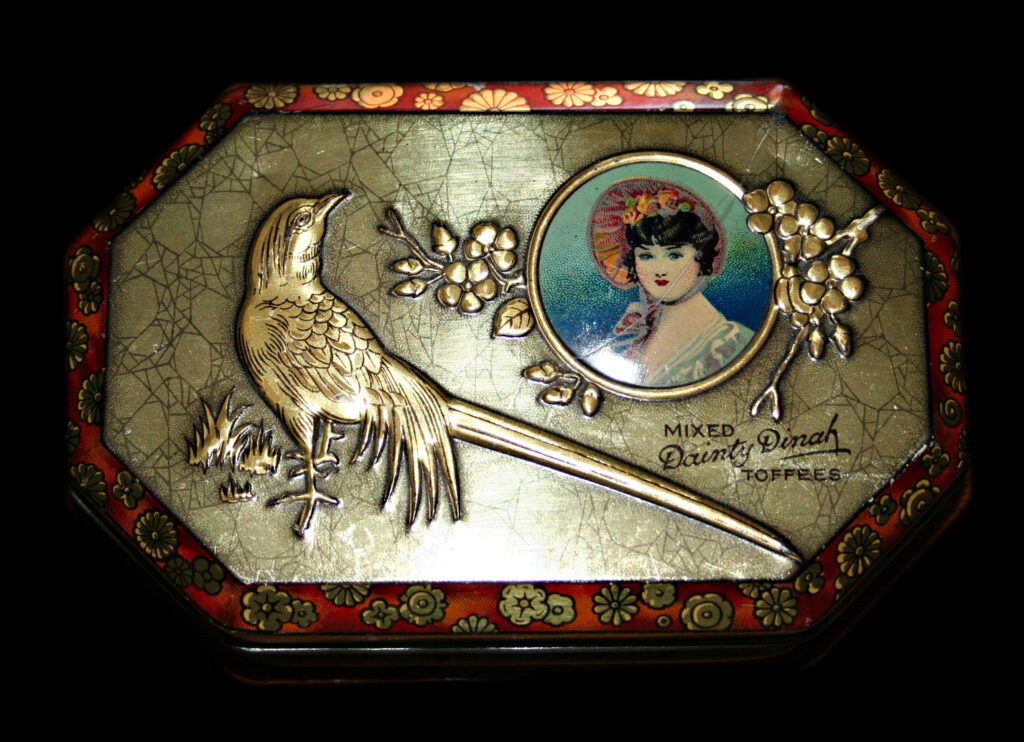
By 1925 along with Dainty Dinah five other brands were registered Buttermel, Mermaid, Playtime, Boy Blue and Fairy. As sales increased over the years so did the way that all products from the now world renowned factory were marketed. This included the now collectable Horner’s tins, window display cards, posters, seasonal newspaper adverts, Dainty Dinah even had its own waltz, composed by Gilbert Daniels. So famous was Dainty Dinah that people would dress up as the famous lady at fairs and fancy dress parades. Arguably the most well known piece of advertising was the four foot high marble bust of Dainty Dinah which can now be seen in the window of MILE House in the Burns area of Chester-le-Street.
Who Was Dainty Dinah? – The identity of who was the inspiration for Dainty Dinah is not know, but for many years it was thought to be Mrs. Alice Scott who worked as a chauffeur for George Horner during WW1, but she denied this in 1989, but did admit to wearing a Dainty Dinah outfit to promote the sweets.
In March 1982 an article in the Durham Chronicle suggested it could have been Jayne Kelly who started at the factory aged just 14, but we will never know for sure.
In 2024 a local author Glenda Young published the first in a trilogy of books based on the factory girls and the factory. Even now the legacy of Dainty Dinah and the “Five Acres of Sweetness” is welcome to see.

If you have any memories of Horner’s or the companies who used the site prior to its clearance, or have any memorabilia that you wish to share with us for our archives, please get in touch with details, or why not pop in and see us at our regular Tuesday drop in session in the Lambton Arms, Front Street, Chester-le-Street – click here for details